
Blog Details
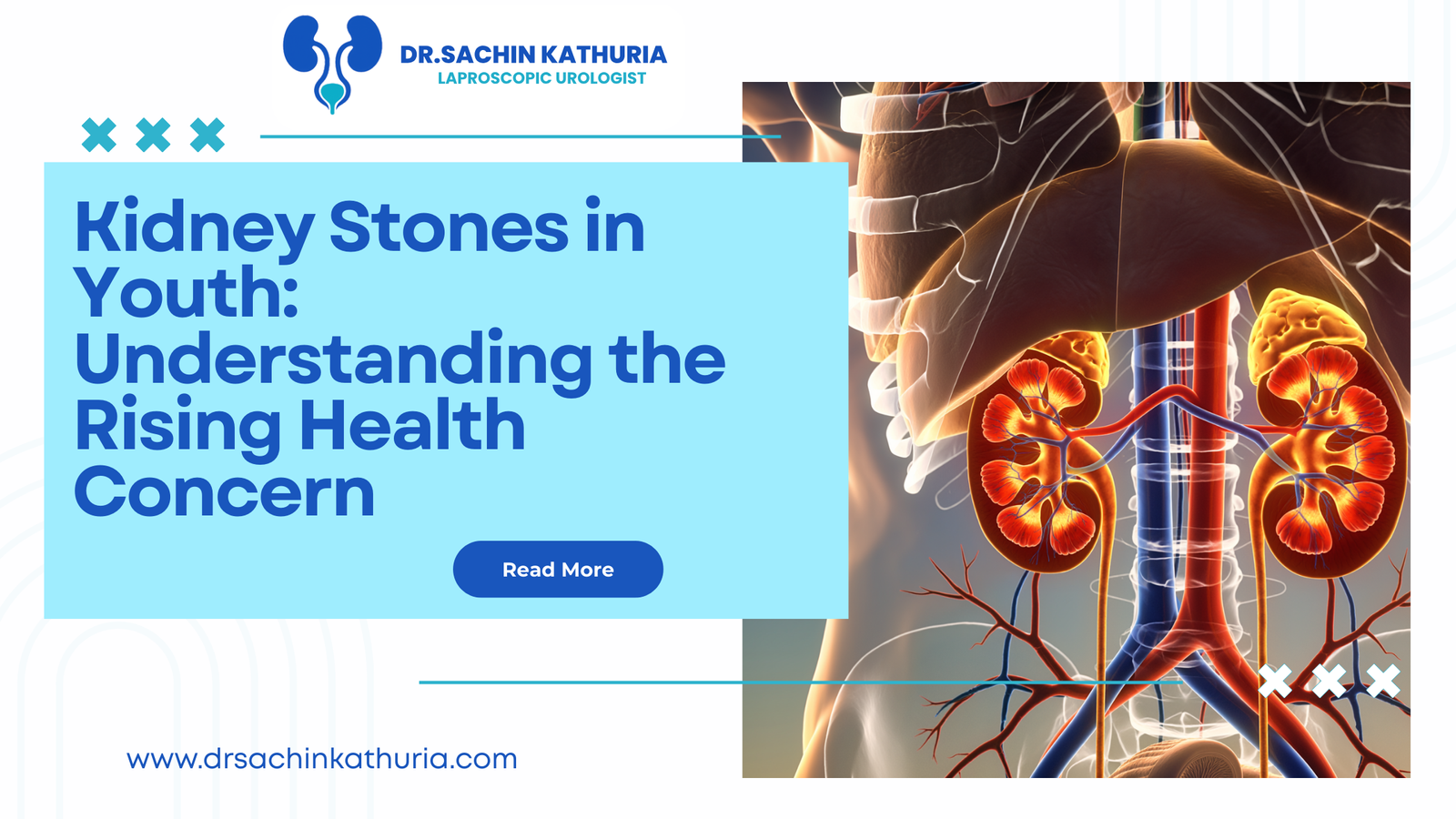
Kidney Stones in Youth Understanding the Rising Health Concern
Kidney stones are traditionally considered a condition that affects adults, but in recent years, healthcare professionals have noticed a significant rise in kidney stone cases among children, teenagers, and young adults. This growing trend raises important questions about lifestyle, diet, environment, and early detection. Understanding the causes, symptoms, and prevention strategies is essential for protecting kidney health at a young age.
Whether you are a parent, young adult, or healthcare worker, this blog explains everything you need to know in a clear, evidence-based, and easy-to-understand way.
What Are Kidney Stones?
Kidney stones are hard, crystal-like deposits that form inside the kidneys when minerals and salts in the urine concentrate and stick together. Common types include:
● Calcium oxalate stones (most common)
● Uric acid stones
● Struvite stones
● Cystine stones
These stones can vary from tiny grains to large masses that cause severe pain and complications.
Why Are Kidney Stones Increasing in Young People?
1. Changes in Diet
Modern diets, especially among youth, often include:
● High-sodium foods (chips, packaged snacks, fast food)
● Sugary drinks like sodas and energy drinks
● High consumption of processed foods
These dietary habits increase minerals like calcium and oxalate in urine, raising the risk of stone formation. A Kidney specialist in Rajinder Nagar often emphasizes that small daily dietary changes can significantly reduce risk.
2. Low Water Intake
Young people frequently consume insufficient water, leading to:
● More concentrated urine
● Higher mineral buildup
● Increased stone formation
Proper hydration is one of the simplest and most effective preventive measures.
3. Sedentary Lifestyle
Reduced physical activity affects metabolism and kidney function. Obesity in youth is also linked with higher uric acid and metabolic imbalances, increasing the likelihood of stones.
4. Genetics and Family History
If a parent or close family member has had kidney stones, the child may have a higher risk. A consultation with a Kidney specialist in Rajinder Nagar can help identify genetic factors early.
5. Environmental Factors
Exposure to heat, dehydration during sports, and inadequate daily hydration can raise the risk. Many young athletes unknowingly put stress on their kidneys.
Common Symptoms in Youth
Parents and young individuals should be aware of signs that may indicate kidney stones:
● Sharp pain in the back, lower abdomen, or side
● Blood in urine (pink, red, or brown urine)
● Frequent urge to urinate
● Painful urination
● Nausea or vomiting
● Fever or chills (may indicate infection)
Symptoms may appear suddenly and require immediate medical attention.
How Kidney Stones Are Diagnosed
Medical professionals use various tests to confirm stones, including:
● Ultrasound (preferred for children to avoid radiation)
● CT scan
● Urine analysis
● Blood tests
A Kidney specialist in Rajinder Nagar will determine which diagnostic approach is best depending on age, symptoms, and severity.
Treatment Options for Young Patients
1. Increased Hydration
For small stones, drinking more water can help naturally pass the stone.
2. Medications
Doctors may prescribe:
● Pain relievers
● Alpha-blockers to relax ureter muscles
● Medications to reduce stone-forming minerals
3. Minimally Invasive Procedures
For stones that cannot pass naturally:
● ESWL (Shock Wave Lithotripsy) – breaks stones into smaller pieces
● Ureteroscopy – removes stones through a thin scope
● PCNL (Percutaneous Nephrolithotomy) – used for large complex stones
Modern treatments are safe, effective, and suitable for young patients.
4. Dietary and Lifestyle Counseling
Young people benefit greatly from early education on:
● Balanced diet
● Hydration habits
● Reducing processed foods
● Maintaining healthy weight
Preventing Kidney Stones in Youth
✔ Drink Plenty of Water
Encourage children and teens to drink 8–12 glasses of water daily, especially active individuals.
✔ Reduce Sodium Intake
Limit chips, packaged foods, instant noodles, and fast food.
✔ Balanced Diet Rich in Fruits and Vegetables
Citrus fruits like lemons and oranges prevent stone formation.
✔ Limit Sugary Drinks
Replace sodas with water, coconut water, or fresh juices.
✔ Regular Physical Activity
Exercise improves metabolism and overall kidney function.
✔ Routine Check-ups
A Kidney specialist in Rajinder Nagar can provide proper screening and early intervention for at-risk youth.
When Should You See a Kidney Specialist?
Seek medical attention immediately if you notice:
● Persistent abdominal or back pain
● Blood in urine
● Pain while urinating
● Recurrent urinary tract infections
● History of kidney stones in family
Early evaluation helps prevent complications and ensures timely treatment.
Conclusion
Kidney stones in youth are becoming a rising health concern, but the good news is that with awareness, proper lifestyle habits, and early medical guidance, they are highly preventable. Educating children and young adults on hydration, diet, and regular check-ups can make a significant difference in their long-term kidney health.
If symptoms appear or you have a family history of stones, consulting a Kidney specialist in Rajinder Nagar can provide accurate diagnosis, personalized treatment, and ongoing preventive care.
FAQs
1. Are kidney stones common in children and young adults today?
Yes. Kidney stones are increasingly seen in children, teenagers, and young adults due to poor dietary habits, low water intake, sedentary lifestyles, and genetic factors. Early evaluation by a Kidney specialist in Rajinder Nagar helps identify risks and prevent complications.
2. What are the early warning signs of kidney stones in youth?
Early symptoms may include back or abdominal pain, blood in urine, frequent urination, pain during urination, nausea, or fever. If these symptoms appear, consulting a Kidney specialist in Rajinder Nagar is important for timely diagnosis and treatment.
3. Can kidney stones in young people be treated without surgery?
Yes. Many kidney stones can be managed with increased hydration, medications, and dietary changes. Minimally invasive procedures are only required when stones do not pass naturally. A Kidney specialist in Rajinder Nagar can recommend the safest and most effective treatment based on stone size and type.
4. How can kidney stones be prevented in children and teenagers?
Prevention includes drinking enough water, reducing salt and junk food intake, limiting sugary drinks, staying physically active, and maintaining a balanced diet. Regular check-ups with a Kidney specialist in Rajinder Nagar are advised for children with a family history of stones.
5. When should I consult a kidney specialist for my child or myself?
You should seek medical attention if there is persistent back or abdominal pain, blood in urine, recurrent urinary infections, or a known family history of kidney stones. Early consultation with a Kidney specialist in Rajinder Nagar ensures accurate diagnosis, proper treatment, and long-term kidney health.
